
Common Travel Mistakes and How to Avoid Them

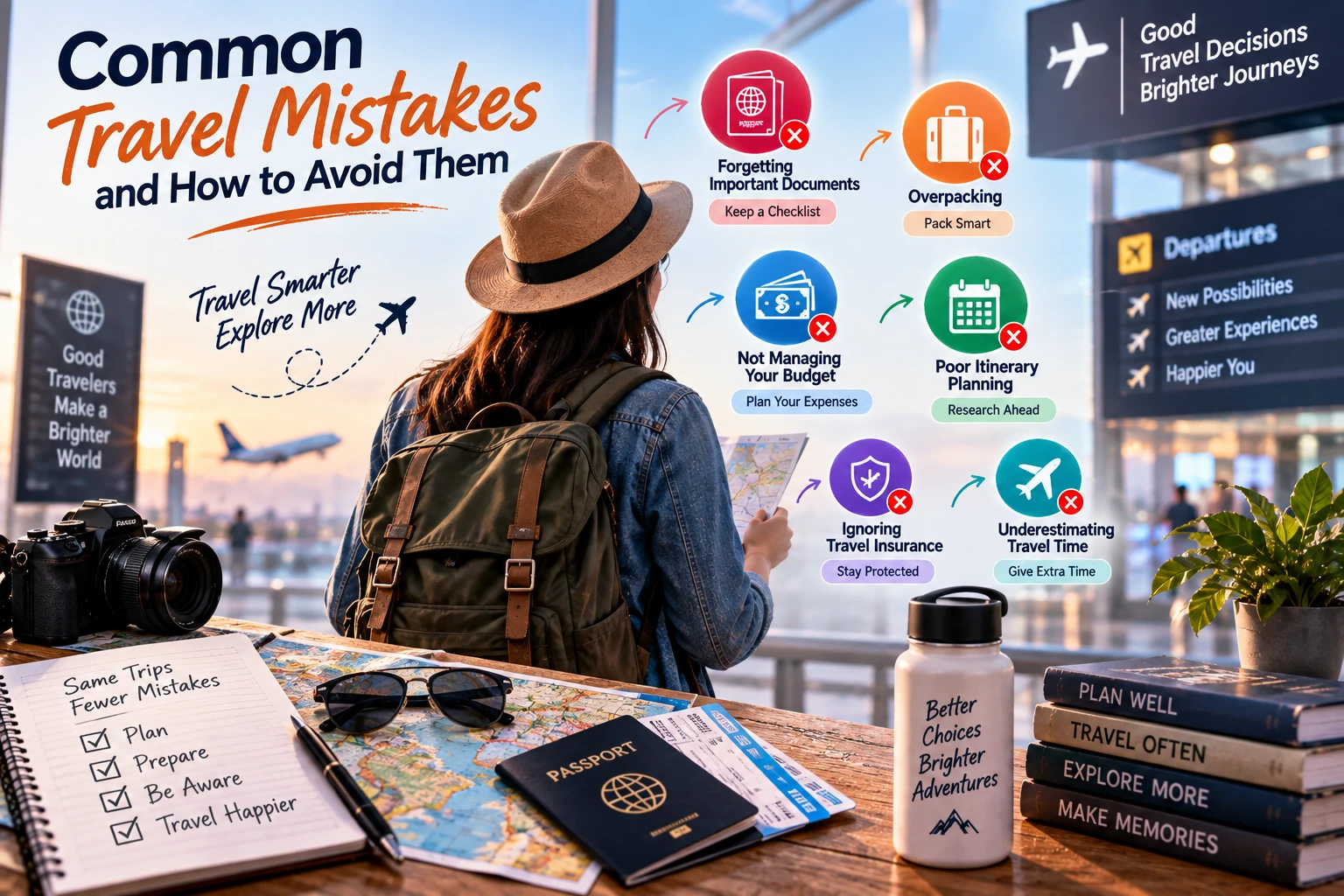
Travel can be exciting, relaxing, and full of memorable experiences, but poor planning can quickly turn a great trip into a stressful one. From overpacking and ignoring local customs to failing to check travel documents, common mistakes can affect both your budget and enjoyment. Fortunately, most travel problems are avoidable with a little preparation.
Whether you are taking your first international trip or traveling regularly, understanding common travel mistakes can help you plan more confidently and make the most of your time away from home.
Not Checking Travel Documents
One of the most serious travel mistakes is failing to check passport, visa, permit, or identification requirements before leaving.
Passport validity requirements can vary by destination, and some countries require travelers to have several months of remaining validity. Visa rules may also depend on nationality, purpose of travel, and length of stay.
Before booking a trip, check the current entry requirements through reliable government or official sources. Keep digital and physical copies of important documents in separate places in case the originals are lost.
Overpacking
Packing too much can make a trip unnecessarily difficult. Heavy luggage can be inconvenient when changing hotels, using public transportation, or walking through busy areas.
Create a packing list based on the destination, weather, activities, and length of your stay. Choose versatile clothing that can be combined in different ways and avoid packing items you are unlikely to use.
Traveling with fewer belongings can make moving between destinations easier and may also help you avoid excess baggage charges.
Creating an Overloaded Itinerary
Trying to visit every attraction in a short trip is another common mistake. An itinerary packed with activities may leave little time for rest or unexpected discoveries.
Instead, prioritize the experiences that matter most and leave some free time between major activities. A flexible schedule allows you to adjust if transportation is delayed, weather changes, or you discover something interesting along the way.
A slower itinerary can often make a trip more enjoyable than rushing from one attraction to another.
Ignoring the Local Weather
Travelers sometimes focus so heavily on sightseeing that they forget to research seasonal weather conditions.
Temperatures, rainfall, humidity, storms, and seasonal events can dramatically affect a trip. Check typical and current weather conditions before packing and plan activities accordingly.
Weather information can also help you choose appropriate clothing, footwear, and travel equipment.
Failing to Budget for Extra Costs
A travel budget should include more than flights and hotel expenses. Transportation, meals, attraction fees, local taxes, shopping, tips, communication costs, and unexpected expenses can quickly increase the total cost.
Create a realistic daily budget and keep an emergency reserve. Research common costs at your destination so that you have a better idea of how much money you may need.
Avoid spending most of your budget during the first few days of the trip.
Not Researching Transportation
Arriving at a destination without understanding how to get around can waste valuable time and money.
Research airport transfers, public transportation, taxi options, walking routes, and travel times before arrival. If you plan to visit multiple destinations, understand how long the journey between them will take.
Having a basic transportation plan can make your arrival much less stressful.
Forgetting Travel Insurance
Unexpected medical problems, cancellations, lost baggage, or travel disruptions can create significant expenses. Travelers sometimes skip insurance because they assume nothing will go wrong.
Travel insurance can protect against certain covered events, depending on the policy. Before purchasing coverage, understand exclusions, limits, deductibles, and claim requirements.
The right policy can provide additional financial security during a trip.
Ignoring Local Customs
Every destination has its own cultural expectations. Ignoring them can lead to uncomfortable situations or unintentionally offend residents.
Research basic customs regarding clothing, greetings, photography, tipping, religious sites, and public behavior. Respecting local traditions not only helps avoid problems but can also improve interactions with people you meet.
Relying Entirely on Your Phone
Smartphones are extremely useful while traveling, but relying exclusively on them can create problems if your battery dies, internet access disappears, or a device is lost.
Save important addresses, reservations, contact details, and travel information offline. Carry a portable charger and keep essential information accessible without an internet connection.
Having a backup plan can be especially valuable during international travel.
Not Protecting Personal Belongings
Crowded transportation hubs, tourist attractions, and busy markets can provide opportunities for theft.
Keep important documents, money, and electronics secure. Avoid displaying expensive belongings unnecessarily and remain aware of your surroundings.
It is also wise to separate cash and payment methods rather than keeping everything in one location.
Forgetting to Check Booking Details
A small mistake in a reservation can cause major inconvenience. Travelers should carefully check names, dates, times, locations, room types, baggage allowances, and cancellation conditions.
Review all booking confirmations after making reservations. Keep confirmation numbers and important contact information easily accessible.
Conclusion
Travel mistakes are often caused by rushing, assuming everything will work out, or failing to research basic details. Checking documents, packing sensibly, creating a realistic itinerary, understanding local transportation, budgeting for unexpected costs, and respecting local customs can prevent many common problems.
The goal is not to plan every second of a trip. Good preparation should provide enough structure to avoid unnecessary stress while leaving room for flexibility and enjoyment.
By learning from common travel mistakes and preparing in advance, travelers can spend less time dealing with avoidable problems and more time experiencing the destination.