How Technology Is Transforming the Insurance Industry

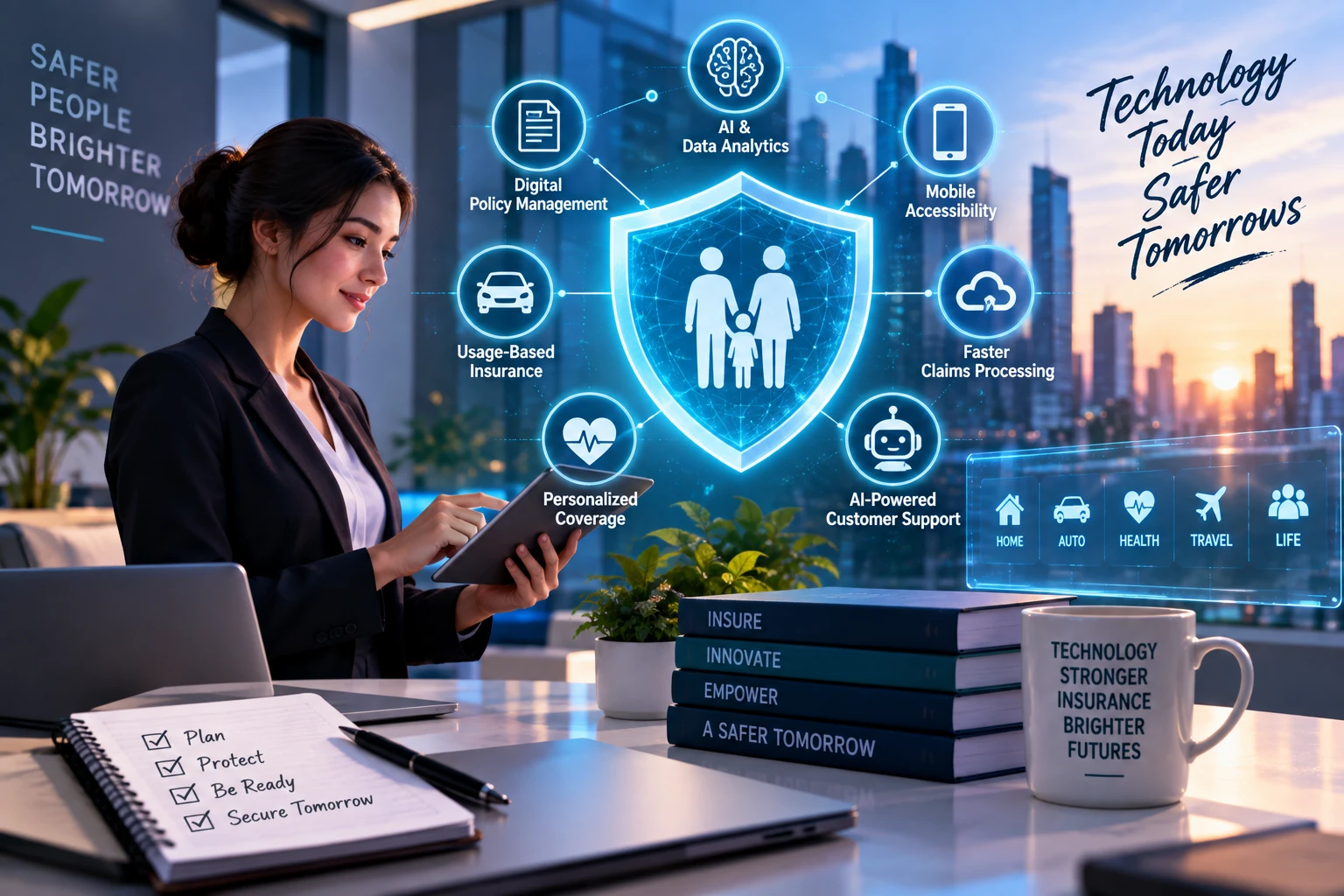
Technology is changing the insurance industry at almost every stage, from purchasing a policy and assessing risk to processing claims and communicating with customers. Digital platforms, artificial intelligence, data analytics, automation, mobile applications, and connected devices are helping insurers develop faster and more personalized ways of delivering services.
For customers, these changes can make insurance easier to access and manage. For insurers, technology can improve operational efficiency and provide new ways to understand and respond to risk. However, the growing use of technology also creates challenges involving privacy, cybersecurity, accuracy, and responsible use of data.
Digital Insurance Purchasing
Traditionally, buying insurance could involve paperwork, phone calls, meetings, and lengthy application processes. Digital platforms have simplified many of these steps.
Customers can increasingly research coverage, compare options, submit information, and purchase policies online. Digital applications can reduce paperwork and allow people to access policy information without visiting a physical office.
This convenience has become particularly important as consumers increasingly expect services to be available through websites and mobile devices.
Artificial Intelligence and Automation
Artificial intelligence is becoming an important technology in insurance. AI systems can analyze large quantities of information, identify patterns, automate routine processes, and assist employees with decision-making.
Automation can be used for tasks such as document processing, customer support, fraud detection, and claims administration. By reducing repetitive manual work, insurers can potentially process information more efficiently.
AI does not necessarily eliminate the need for human professionals. Human oversight remains important, particularly when decisions involve complex claims or situations where context matters.
Faster Claims Processing
Claims are a central part of the insurance experience, and technology is helping insurers modernize the process.
Customers can submit claims through websites or mobile applications, upload photographs and documents, and receive updates electronically. Automated systems may help categorize claims and identify which cases require additional review.
For straightforward claims, digital processing may reduce waiting times. More complicated cases can still require investigation and human assessment.
Data Analytics and Risk Assessment
Insurance companies have always relied on information to evaluate risk. Modern analytics allows insurers to process larger and more varied datasets.
Advanced analytics can help identify patterns in claims, estimate potential risks, and improve business planning. Insurers may use these insights to develop products and pricing approaches that better reflect specific risk characteristics, subject to applicable regulations.
However, using large amounts of data also creates questions about fairness, transparency, and how customer information is collected and used.
Connected Devices and Usage-Based Insurance
Internet-connected devices are creating new opportunities for insurance products.
In automobile insurance, telematics devices or smartphone-based systems can collect information about driving behavior, such as mileage or certain driving patterns. Depending on the insurance program, this information may contribute to personalized pricing or feedback.
Connected home devices can also provide information related to smoke, water leaks, security, or other risks. Early warnings may help customers reduce damage before a small problem becomes a major loss.
Improved Customer Service
Technology has changed how customers communicate with insurers. Mobile applications, online portals, automated assistants, email, and digital messaging can provide access to services beyond traditional business hours.
Customers may be able to check policy details, make payments, download documents, submit claims, or request assistance digitally.
However, customers should still have access to human support when an issue is complicated or requires individual attention.
Fraud Detection
Insurance fraud can increase costs for insurers and ultimately affect customers. Technology can help identify unusual patterns that may warrant additional investigation.
Data analytics and machine-learning systems can compare information across large numbers of claims and identify inconsistencies or unusual behavior.
Technology does not prove that fraud has occurred. Suspicious cases generally require appropriate investigation and human review before conclusions are reached.
Cybersecurity Challenges
Greater reliance on technology also increases cybersecurity risks. Insurance companies handle sensitive personal, financial, and sometimes medical information, making data protection extremely important.
Insurers need strong security practices, access controls, monitoring systems, employee training, and appropriate safeguards to protect customer information.
Customers can also take precautions by using strong passwords, enabling multifactor authentication where available, and being cautious with unexpected messages requesting personal information.
Personalized Insurance Products
Technology can help insurers develop products that are more tailored to different customer needs. Instead of offering only broad categories of coverage, digital tools can help customers explore options based on their circumstances.
Personalization can improve relevance, but it must be balanced with fairness and transparency. Customers should understand what information influences their coverage or pricing when such explanations are available and required.
The Importance of Human Oversight
Technology can make insurance processes faster, but it is not perfect. Automated systems can produce errors, rely on incomplete information, or misunderstand unusual circumstances.
Human judgment remains important for complex claims, customer disputes, ethical questions, and situations requiring empathy or contextual understanding.
The strongest insurance models are likely to combine technology with experienced professionals rather than relying exclusively on automated decisions.
The Future of Insurance Technology
The insurance industry is likely to continue adopting AI, cloud computing, automation, connected devices, predictive analytics, and other digital technologies.
Future developments may make policies easier to purchase, claims faster to process, and risk management more proactive. At the same time, insurers will need to address data privacy, cybersecurity, algorithmic fairness, regulatory requirements, and customer trust.
Conclusion
Technology is transforming insurance by making many processes faster, more digital, and potentially more personalized. From online policy management and automated claims to data analytics and connected devices, technology is changing how insurers understand risk and interact with customers.
The industry’s long-term success will depend on finding the right balance between innovation and responsibility. Technology can improve efficiency and convenience, but transparency, security, fairness, and human oversight will remain essential to building trust in the modern insurance system.