How Is Technology Changing Modern Healthcare?

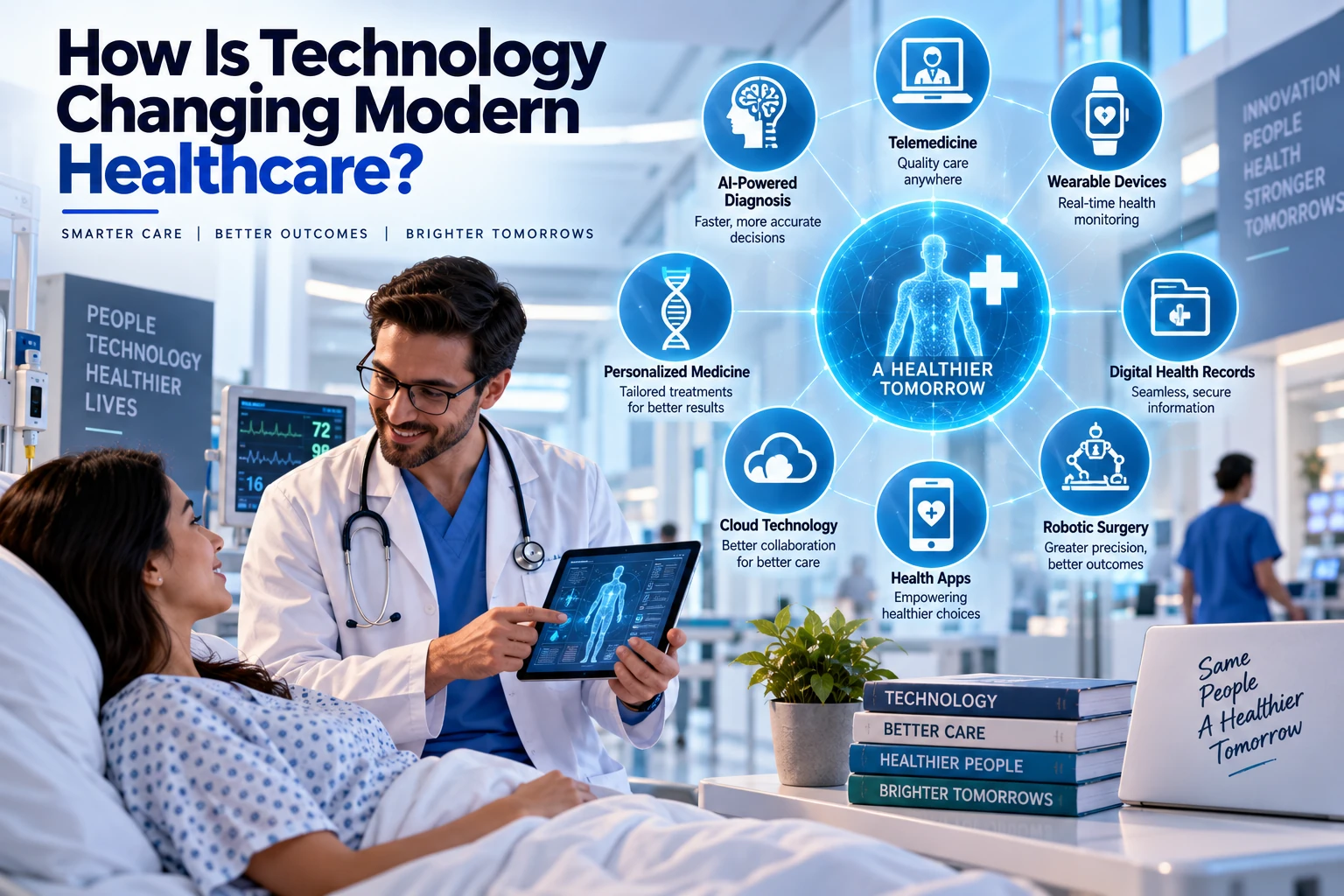
Technology has become an important part of modern healthcare, changing how doctors diagnose illnesses, how patients receive treatment, and how medical information is managed. From electronic health records to artificial intelligence and wearable devices, digital tools are helping healthcare professionals work more efficiently while giving patients greater access to information and services. As technology continues to develop, its role in healthcare is expected to become even more significant.
Electronic Health Records Improve Patient Care
Electronic Health Records (EHRs) have replaced many traditional paper-based medical records. Doctors can access information such as medical history, test results, prescriptions, allergies, and previous treatments through digital systems. This allows healthcare professionals to make better-informed decisions and reduces the possibility of losing important records.
Digital records can also make communication easier between different departments and healthcare providers. When patient information is available quickly, treatment can often begin sooner, especially in situations that require immediate attention.
Telemedicine Makes Healthcare More Accessible
Telemedicine has made it possible for patients to consult healthcare professionals without always visiting a clinic or hospital. Through video calls, online appointments, and digital communication platforms, people can discuss symptoms, receive medical advice, and follow up on existing treatments remotely.
This can be particularly useful for people living far from healthcare facilities or those who have difficulty traveling. Telemedicine can also reduce unnecessary hospital visits and make routine consultations more convenient.
Artificial Intelligence Supports Medical Decisions
Artificial intelligence is becoming increasingly useful in healthcare. AI systems can analyze large amounts of medical information and help identify patterns that may be difficult to detect manually. In some areas, AI can assist doctors in reviewing medical images, identifying potential health risks, and supporting diagnostic decisions.
AI does not replace medical professionals. Instead, it can provide additional information that helps doctors evaluate patients more efficiently. As these systems become more advanced, they may contribute to earlier detection and more personalized treatment.
Wearable Devices Help Monitor Health
Smartwatches and other wearable devices allow people to monitor various health-related measurements. Depending on the device, users may be able to track heart rate, physical activity, sleep patterns, or other indicators.
These tools encourage people to pay more attention to their daily habits and overall wellness. Some wearable technologies can also provide information that may help healthcare professionals understand changes in a patient’s health over time.
Robotics and Advanced Medical Equipment
Robotics is another area where technology is transforming healthcare. Robotic systems can assist surgeons during certain procedures by providing precise movements and improved control. Advanced medical equipment also allows healthcare professionals to perform procedures with greater accuracy in appropriate situations.
Beyond surgery, automation is being used in laboratories, pharmacies, and hospitals to handle repetitive tasks. This can save time and allow healthcare workers to focus more attention on patient care.
Mobile Health Applications
Mobile health applications have made healthcare information more accessible. Patients can use apps to schedule appointments, receive medication reminders, track fitness activities, manage health records, and communicate with healthcare providers.
These applications can encourage patients to become more involved in managing their health. However, users should choose trustworthy applications and avoid relying on digital information as a replacement for professional medical advice.
Challenges of Healthcare Technology
Despite its benefits, healthcare technology also creates challenges. Protecting sensitive medical information from cyber threats is a major concern. Healthcare organizations must use strong security measures to protect patient data.
There can also be differences in access to technology. People without reliable internet connections, smartphones, or digital skills may not benefit equally from modern healthcare services. Training healthcare professionals and maintaining reliable systems are also important for successful technology adoption.
The Future of Healthcare Technology
Technology is making healthcare more connected, accessible, and data-driven. Digital records, telemedicine, AI, wearable devices, robotics, and mobile applications are changing both medical practice and the patient experience.
In the future, healthcare technology may become even more personalized, allowing professionals to use detailed information to develop treatments suited to individual needs. While technology cannot replace human judgment and compassion, it can provide powerful tools that support better healthcare decisions and improve the way patients receive care.